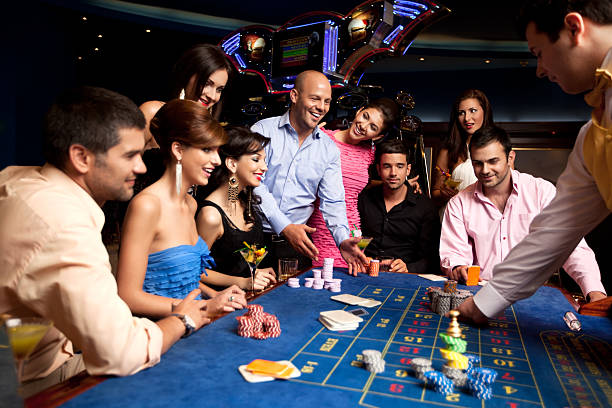
The Allure of Gambling: Understanding Motivation
The psychology behind casino gaming habits often begins with the motivation to gamble. Individuals may be driven by the thrill of risk-taking, the allure of potential financial gain, or the social aspects of gaming. For many, the excitement of placing bets and the anticipation of winning can create a powerful rush that can be explored further through resources like intoglobalrhythms.org , where insights into gambling behavior are available. This exhilarating feeling can trigger a release of dopamine in the brain, reinforcing the behavior and encouraging further participation. Such psychological triggers can be particularly strong during moments of uncertainty, where the possibility of victory feels just within reach.

Moreover, some psychological theories suggest that gambling appeals to human tendencies toward optimism. Gamblers may overestimate the likelihood of winning or underestimate the risks involved. This cognitive distortion, sometimes referred to as the “gambler’s fallacy,” leads individuals to believe that past outcomes influence future events, making them more likely to continue playing despite previous losses. This belief can create an addictive loop where the gambler keeps playing in hopes of recovering losses, leading to prolonged engagement with casino gaming.
Additionally, social influences play a significant role in shaping gambling habits. Peer pressure, cultural norms, and the visibility of gambling in media can normalize the activity and encourage participation. Research indicates that individuals are more likely to gamble when they see friends or family engaging in it. This social aspect can create a communal experience that enhances enjoyment, making gambling not just a solitary activity but a shared event that draws individuals to casinos to connect with others while feeding their own desires for a potential jackpot.
The Role of Environment in Gaming Behavior
The environment in which gambling occurs can significantly influence behavior and decisions. Casinos are meticulously designed to create an immersive experience that engages the senses. The absence of clocks, the strategic placement of gaming machines, and the use of bright lights and vibrant colors all serve to captivate players and encourage prolonged visits. This sensory stimulation can contribute to a phenomenon known as “time distortion,” where players lose track of time, often resulting in extended gambling sessions that can lead to unexpected losses.
Furthermore, the atmosphere of casinos often promotes a sense of excitement and urgency. The sounds of rolling dice, spinning wheels, and ringing slot machines create an auditory environment that elicits emotional responses, enhancing the thrill of the game. Integrating these sensory elements helps to reinforce the connection players feel with their gaming experience, making it difficult for them to disengage. This carefully crafted environment, combined with highly enticing promotional offers, can lead to increased gaming frequency and habitual gambling behaviors.
Additionally, the presence of other players can amplify emotions, leading to an increased desire to participate. The excitement and reactions of others can create a shared energy that influences individual gaming habits. In crowded environments, the sense of competition and camaraderie can drive players to spend more time at the tables or machines, as they seek to bask in the collective thrill of the experience. This reinforces the social bond between players while simultaneously deepening their commitment to the gambling experience.
Psychological Traps in Gambling: Understanding Addiction
Gambling addiction can often stem from psychological traps that individuals fall into. Compulsive gamblers may find themselves caught in a cycle of chasing losses, where they believe that winning back lost money is achievable with just one more bet. This mindset can lead to increased financial risk, as individuals may wager more than they can afford to lose, leading to severe financial and emotional consequences. The inability to control gambling urges often signifies a deeper psychological struggle that requires intervention and support.
Moreover, cognitive distortions play a crucial role in the development of gambling addiction. Gamblers may rationalize their behavior, convincing themselves that they will eventually win or that they are skilled enough to overcome the odds. This self-deceptive thinking complicates their relationship with gambling, making it challenging to acknowledge the negative impacts on their lives. Recognizing and addressing these psychological traps is essential for those seeking to break free from gambling addiction.
Support systems and therapeutic interventions are vital in addressing these psychological challenges. Cognitive-behavioral therapy (CBT) is an effective approach that helps individuals identify and modify harmful thought patterns and behaviors linked to gambling. Group therapy and support groups provide communal support for those dealing with gambling addiction, allowing individuals to share their experiences and learn from one another. By understanding the psychological roots and consequences of their habits, recovering gamblers can develop healthier coping mechanisms and rebuild their lives.
The Psychological Impact of Wins and Losses
The psychological impact of both winning and losing at casinos can shape an individual’s gambling behavior significantly. Winning can lead to a euphoric sense of achievement that reinforces the desire to play again. This feeling of elation is often fleeting, however, as the thrill of victory can quickly be overshadowed by the pain of subsequent losses. This rollercoaster of emotions is a hallmark of gambling, where the highs can feel intoxicating, but the lows can lead to feelings of despair and regret.
On the contrary, losing can create a range of psychological responses that further entrench gambling habits. Many individuals may experience feelings of frustration and helplessness, leading to a drive to gamble again in an attempt to recapture their losses. This response is influenced by the desire to restore self-esteem and regain a sense of control over their financial situation. The cycle often perpetuates itself, as continued losses can increase anxiety and the temptation to gamble more in hopes of changing the outcome.
Furthermore, the impact of gambling wins and losses extends beyond the individual to affect family and social relationships. Significant financial losses can lead to conflict, strain, and even breakdowns in relationships. It is vital for individuals to recognize the broader consequences of their gambling habits not only on their own mental health but also on the well-being of those around them. Acknowledging these impacts can encourage healthier decisions regarding gambling and promote more balanced engagement with gaming activities.
Understanding Gaming Choices: The Need for Awareness
As the psychology of gambling habits becomes clearer, it is crucial for both players and operators to foster an environment of awareness and responsibility. Understanding the psychological triggers and motivations behind gaming choices can lead to more informed decision-making among gamblers. Increased awareness helps players recognize when their gambling habits may be becoming problematic and encourages them to seek help when necessary. Education on responsible gambling practices and the potential for addiction can empower individuals to engage in gaming in a healthier way.
Moreover, casinos themselves have a role in promoting awareness around responsible gambling. Many establishments have started implementing measures such as self-exclusion programs, informational campaigns, and resources for individuals struggling with gambling addiction. By prioritizing player welfare and promoting responsible gaming, casinos can contribute to a healthier gambling environment that benefits both players and the industry. This approach can lead to a more sustainable business model where customer loyalty is built on trust and mutual respect.
As awareness grows, it becomes increasingly important for communities to address the broader societal impacts of gambling behaviors. Public health initiatives can play a role in promoting healthy gambling practices and providing support for those affected by gambling addiction. By fostering a culture of understanding and responsible gaming, individuals can enjoy the entertainment value of casinos while minimizing the risks associated with pathological gambling behaviors. Striving for a balance between enjoyment and awareness is essential for creating a healthier gaming landscape.